Source Liposomal Vitamin D3 for Immune Support, Bone Health, and Wellness
Find 30 verified options for Liposomal Vitamin D3 suitable for adults and children. Buyers can compare formulations, certifications, and customization features to select the right supplier for their health food or healthcare product needs.
Key considerations
Products List

Health Supplement Easy Absorption Liposomal Vitamin C D3 Tablet for Immune Support
$0.01 - $0.05
MOQ: 100000 Pieces

Vitamin D3 Vitamin K2 Sustained Release Micropellet Sr Beadlets Capsule
$0.01 - $0.06
MOQ: 300000 Pieces




Comprehensive Sourcing Guide
Strategic Sourcing Guide for Liposomal Vitamin D3 Procurement
The global demand for advanced nutritional delivery systems has elevated the profile of liposomal formulations, particularly for fat-soluble nutrients like Vitamin D3. For B2B procurement professionals, sourcing Liposomal Vitamin D3 requires a nuanced understanding of formulation technology, regulatory compliance, and supply chain reliability. Unlike standard powder forms, liposomal variants involve complex encapsulation processes designed to enhance bioavailability. This guide synthesizes available market data and technical attributes to provide a disciplined framework for evaluating potential suppliers and defining procurement specifications. Buyers must navigate a landscape where product forms range from tablets to capsules and powders, each carrying distinct manufacturing implications and cost structures.
Understanding Formulation Variations and Technical Attributes
The first critical step in sourcing is distinguishing between the various physical forms in which Liposomal Vitamin D3 is available. Market observations indicate a diversity in dosage forms, including tablets, capsules, and sustained-release pellets. For instance, specific product listings highlight "Liposomal Vitamin Tablets" with customization options for shape and color, while other entries focus on "Vitamin D3 Vitamin K2 Pellets Sr Capsule" featuring sustained-release technology. These variations are not merely cosmetic; they dictate the manufacturing equipment required and the final product's release profile in the human body.
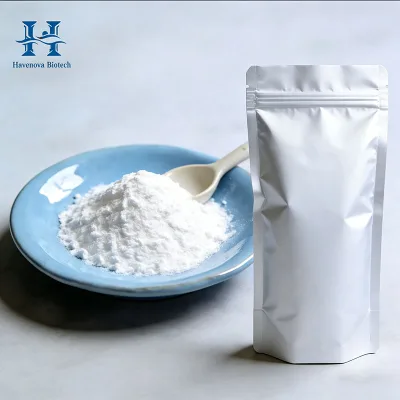
The core ingredient is often listed as "Liposomal Vitamin C or as Your Request," suggesting that the liposomal carrier system may be adaptable or that suppliers offer a portfolio of liposomal vitamins where D3 is a specific customization. When evaluating technical specifications, buyers should verify the shell composition. Options such as "Gelatin Capsule or HPMC Capsule" are common, with HPMC being a preferred choice for vegetarian or vegan formulations. The appearance of the raw material is another key differentiator; some suppliers offer "White Powder" with a purity greater than 98%, while others provide finished dosage forms with a "Natural or as Your Request" color profile.
A significant technical consideration is the solubility and grade of the raw materials. High-quality sourcing requires confirming that the base Vitamin D3 meets "Food Grade" standards and exhibits high water solubility, which is essential for the liposomal encapsulation process. The "Appearance: Sustained Release Pellets" attribute found in certain listings points to advanced manufacturing capabilities where the active ingredient is embedded in a matrix to control absorption rates. Procurement teams must ensure that the supplier's technical data sheets align with the specific release profile required for the target application, whether it is a general health supplement or a specialized therapeutic product.
Regulatory Compliance and Certification Verification
In the dietary supplement industry, regulatory compliance is the bedrock of supplier selection. The supply chain for Liposomal Vitamin D3 is heavily scrutinized, and buyers must demand rigorous documentation. Observed certifications in the market include GMP (Good Manufacturing Practice), HACCP (Hazard Analysis and Critical Control Points), and ISO standards. Specific listings reference "GMP/HACCP/ISO" and "BP, USP, ISO HSE, GMP," indicating that suppliers may adhere to multiple pharmacopoeial and safety standards simultaneously.
For international trade, additional certifications such as ISO9001, Halal, and Kosher are frequently observed. These are not optional luxuries but often mandatory requirements for entering specific regional markets. The "Certificates: ISO9001/Halal/Kosher" entry suggests a supplier capable of serving diverse global demographics. Furthermore, the "Standard: Customized" and "Standard: 99%" attributes highlight that while some products adhere to strict purity benchmarks, others allow for tailored specifications. Buyers must verify that the "Purity: >98%" claims are backed by batch-specific Certificates of Analysis (CoA) rather than generic marketing statements.
Compliance also extends to the target demographic. Product attributes clearly state "Not Applicable People: Newborn" and "Age Group: Adults," while other listings note suitability for "Adult, Children, Elderly." This discrepancy requires careful review of the intended use case. A supplier claiming suitability for children must provide evidence of safety testing for pediatric populations, whereas a product restricted to adults may have higher potency levels. The "Production Origin" is also a compliance factor; sourcing from regions like "Shandong, China" or "Shaanxi China" requires understanding the local regulatory environment and export controls associated with food-grade ingredients.
Cost Drivers and Pricing Structure Analysis
The pricing of Liposomal Vitamin D3 is influenced by a complex interplay of factors, including formulation complexity, packaging, and order volume. The observed price range in the market is vast, spanning from $0.01 to $5,600. This extreme variance reflects the difference between raw material purchases and finished, customized dosage forms. A raw powder with a purity of >98% will naturally carry a different price point than a finished, sustained-release capsule with a specific shell composition and custom branding.
Minimum Order Quantity (MOQ) is a primary driver of unit cost. The observed MOQ range is 1 to 1,000,000 units. For startups or small businesses, an MOQ of 1 Kg or 1 unit may be accessible, but the per-unit cost will be significantly higher. Conversely, large-scale manufacturers seeking to optimize margins may negotiate for bulk orders approaching the upper limit of the observed range. The "MOQ: 1 Kg" specification for raw materials suggests a lower barrier to entry for ingredient sourcing compared to finished goods, which often require higher volume commitments to justify the specialized liposomal production lines.
Packaging also impacts cost. Options range from "1kg/Alu Foil Bag, 25kgs/Drum" for raw materials to "in Carton" for finished products. The choice of packaging material, such as "Paper" or aluminum foil, affects both the unit price and the shelf life. The "Shelf-Life: 24 Months" or ">12 Months" attributes indicate that stable formulations command a premium. Additionally, the "Customization: Available" and "OEM: Yes" attributes suggest that branding and private labeling services add to the overall cost. Buyers should anticipate that custom shapes, colors, and specific release mechanisms will incur additional setup fees and higher per-unit costs compared to standard off-the-shelf products.
Typical Applications and Market Segmentation
Liposomal Vitamin D3 serves a broad spectrum of applications, driven by its enhanced bioavailability compared to traditional forms. The primary application is in the "Health Food" and "Healthcare Products" sectors. The "Nutrient Composition: Vitamin" attribute confirms its role as a dietary supplement. Specific product names like "Liposomal Vitamin D3 Vitamin K2 Pellets Sr Capsule" indicate a trend toward combination therapies, where Vitamin D3 is paired with Vitamin K2 to support bone health and cardiovascular function. This combination is particularly relevant for the "Elderly" demographic, who often require higher levels of these nutrients.
The "Effectiveness: Immune Support" attribute highlights another major market segment. With growing consumer awareness of immune health, liposomal formulations are marketed for their ability to deliver higher concentrations of Vitamin D to the bloodstream efficiently. This makes them suitable for functional foods and beverages, as well as standalone supplements. The "Appearance: Sustained Release Pellets" suggests applications where a gradual release of nutrients is preferred, such as in long-acting formulations for chronic health management.
For B2B buyers, understanding the target audience is crucial. While some products are marked "Not Applicable People: Newborn," others are suitable for "Adult, Children, Elderly." This segmentation allows suppliers to tailor their offerings to specific market niches. For example, a manufacturer producing gummies or chewables for children would require a formulation that is safe for pediatric consumption and appealing in taste and shape. The "Customization: Available" attribute is particularly valuable here, allowing brands to create unique products that stand out in a crowded marketplace.
Supplier Evaluation and Quality Control Protocols
Evaluating a supplier for Liposomal Vitamin D3 requires a multi-faceted approach that goes beyond basic price and MOQ comparisons. Buyers must assess the supplier's manufacturing capabilities, specifically their ability to handle liposomal encapsulation technology. The presence of "OEM: Yes" and "Customization: Available" indicates a flexible production environment, but it is essential to verify the supplier's track record with similar complex formulations. The "Standard: Customized" and "Standard: 99%" attributes suggest that the supplier can meet specific purity and specification requirements, but this must be validated through rigorous quality control protocols.
Quality control should encompass the entire supply chain, from raw material sourcing to final packaging. The "Purity: >98%" claim must be supported by third-party testing results for every batch. Buyers should request CoAs that verify the absence of contaminants and confirm the liposomal integrity of the product. The "Shelf-Life: 24 Months" and "Shelf-Life: >12 Months" attributes indicate that the supplier has established stability testing protocols, but buyers should verify the storage conditions required to maintain these shelf lives. The "Storage Method: Normal" attribute suggests ease of handling, but this should be confirmed against the specific product's stability data.
Furthermore, the "Location: Shandong, China" and "Location: Shaanxi China" origins provide insight into the supply chain logistics. Buyers should evaluate the supplier's proximity to ports and their ability to manage "Shipment: 5 Days" lead times. A reliable supplier should have a robust logistics network to ensure timely delivery, especially for time-sensitive orders. The "Product Name: Liposomal Vitamin Tablets" and "Product Name: Vitamin D3" listings show that suppliers may offer a range of products, and buyers should ensure the specific item they are sourcing is part of the supplier's core competency rather than a secondary offering.
Long-Term Procurement Considerations and Scalability
Sourcing Liposomal Vitamin D3 is not a one-time transaction but a strategic partnership that requires long-term planning. The "Customization: Available" and "OEM: Yes" attributes suggest that suppliers are equipped to grow with their clients. As a brand scales, the ability to adjust production volumes, modify formulations, and expand into new markets is critical. Buyers should assess the supplier's capacity to handle increasing order volumes without compromising quality or lead times. The observed MOQ range of 1 to 1,000,000 units indicates that suppliers can accommodate both small pilot runs and large-scale commercial production.
Scalability also involves the flexibility of the supply chain. The "Prod_packing: in Carton" and "Prod_packing: 25kg/Drum" options show that suppliers can adapt packaging to different logistical needs. However, buyers must consider the "Shipment: 5 Days" lead time in the context of their inventory management strategies. A short lead time is advantageous for just-in-time inventory models, but it requires accurate demand forecasting to avoid stockouts.
Finally, the "Free Sample: 10g~20g" attribute offers an opportunity for buyers to conduct preliminary testing before committing to large orders. This is a crucial step in the procurement process, allowing for real-world validation of the product's quality, stability, and performance. By leveraging free samples, buyers can verify the "Appearance: White Powder" or "Sustained Release Pellets" characteristics and ensure they meet their internal quality standards. Long-term success in sourcing Liposomal Vitamin D3 depends on building a relationship with a supplier who is transparent, responsive, and committed to continuous improvement in their manufacturing and quality assurance processes.
FAQs
What certifications do Liposomal Vitamin D3 suppliers typically hold?
Suppliers typically hold GMP, HACCP, and ISO certifications. Some listings also specify BP, USP, ISO HSE, Halal, or Kosher standards. Buyers must verify these documents against batch-specific Certificates of Analysis to ensure compliance.
Can I customize the shape and color of the tablets?
Yes, customization for shape and color is available for liposomal vitamin tablets. The product attributes indicate options like 'as Your Request' for shape and 'Natural or as Your Request' for color. This allows brands to create unique finished dosage forms.
What is the minimum order quantity for raw vitamin d3 powder?
The minimum order quantity for raw powder is 1 Kg. This lower barrier applies to food-grade ingredients with high purity. Finished dosage forms like capsules or tablets often require higher volume commitments to justify specialized production lines.
How long is the shelf life of the finished vitamin d3 products?
The shelf life is typically 24 months for finished dosage forms. Some raw material listings indicate a shelf life of over 12 months. Proper storage methods are required to maintain these stability periods during transit and storage.
Which age groups are suitable for these vitamin d3 supplements?
Products are generally suitable for adults, children, and the elderly. However, specific listings explicitly state they are not applicable for newborns. Buyers must verify safety testing for pediatric populations when selecting formulations for younger demographics.
What packaging options are available for bulk vitamin d3 shipments?
Packaging options include 1kg Alu Foil Bags and 25kg Drums for raw materials. Finished products are often packed in cartons. The choice of packaging material affects both the unit price and the protection of the product during shipping.
Can I request a free sample before placing a large order?
Yes, free samples ranging from 10g to 20g are available for evaluation. This allows buyers to verify the white powder appearance and purity claims before committing to bulk orders. Samples help confirm the product meets specific quality standards.
Where are the manufacturers of Liposomal Vitamin D3 located?
Manufacturers are located in regions like Shandong and Shaanxi in China. These origins influence logistics and lead times, with some suppliers offering shipment within 5 days. Buyers should evaluate the proximity to ports for efficient international trade.